Magyar English

Carbon Controlling
Carbon Accounting Experts

Measure • Reduce • Offset – Accurate carbon footprint management for companies worldwide.

👉 Go to the Offset Calculator →
Carbon measuring and controlling

Carbon Controlling: How to Measure and Reduce Your Company's Carbon Footprint?

Sustainability is no longer just a reputational issue – it's a business necessity. Companies increasingly need accurate insights into their environmental impact, especially regarding greenhouse gas emissions. This process is called carbon controlling, and it has become a key area of modern corporate management.

What is Carbon Controlling?

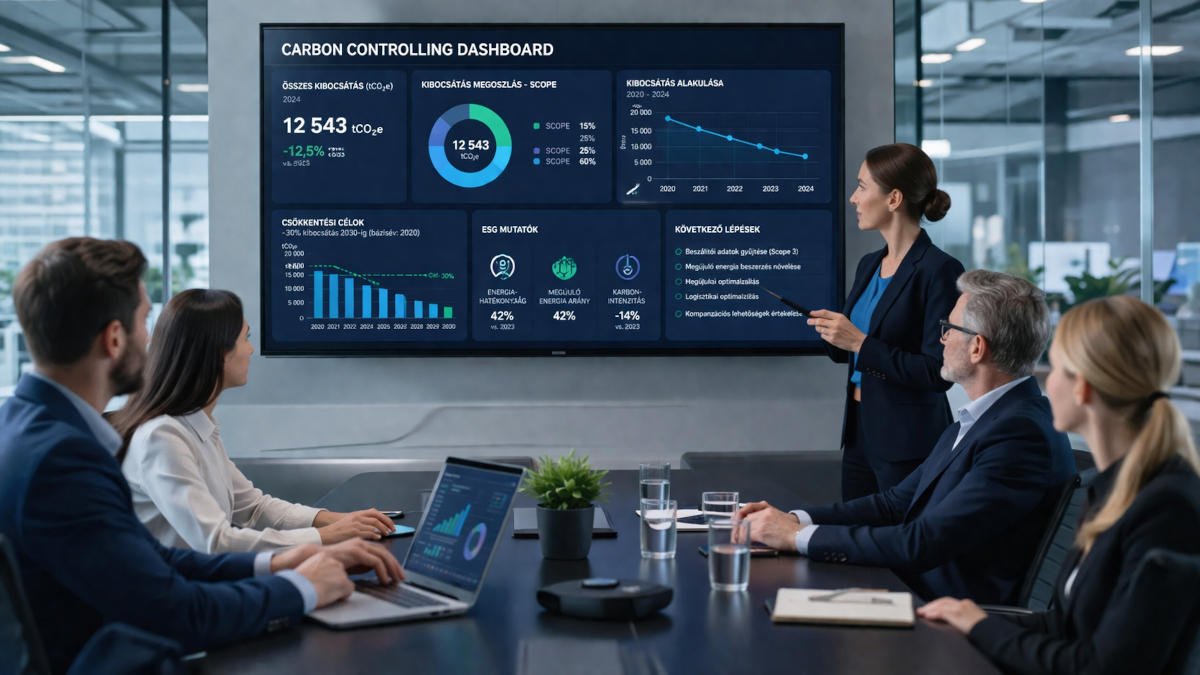
Carbon controlling is essentially the measurement, analysis, and management of a company's carbon dioxide emissions. It's not a one-time audit, but a continuous data collection and decision-support system.

Emissions fall into three main categories:

  • Scope 1: Direct emissions (e.g., company fleet, boilers)
  • Scope 2: Purchased energy (electricity, district heating)
  • Scope 3: Indirect emissions (supply chain, logistics, product use)

Scope 3 is particularly critical, as it can account for 70–90% of many companies' total carbon footprint.

Why Is Offsetting Alone Not Enough?

Many companies' first reaction toward carbon neutrality is to purchase carbon credits. However, this alone is insufficient. The correct professional approach follows this order: Measure → Reduce → Offset. If the measurement is inaccurate, the offset will be too. This poses reputational and even legal risks (greenwashing).

Digital tools are recommended for accurate emission calculation. For example, a carbon calculator can quickly determine current emission levels, forming the basis for reduction and offsetting strategies.

👉 After measurement, use the Offset Calculator for accurate compensation →

Carbon Controlling as a Decision Support System

Carbon data serves not only reporting purposes. When properly processed, it enables cost optimization (energy efficiency), helps rationalize supply chains, and supports ESG strategy.

EU Regulations and ESG Expectations

The European Union is introducing increasingly strict reporting requirements: CSRD (Corporate Sustainability Reporting Directive) and ESG reports. Companies falling under CSRD will be required to report their carbon emissions in detail, including Scope 3 data.

👉 Find the services you need for compliance →

How Should a Company Get Started?

Implementation steps: identify emission sources, establish data collection systems, select calculation methodology, create reporting structure, develop reduction strategy. At the end of the process comes offsetting – for example, by financing certified carbon projects.

👉 Browse available projects →

Summary: Carbon controlling is not a trend – it's the new foundation of corporate operations. Companies that implement it in time not only comply with regulations but also gain a competitive advantage.
Carbon regulation and CSRD

Will Carbon Controlling Become Mandatory? – 2025 Regulatory Outlook

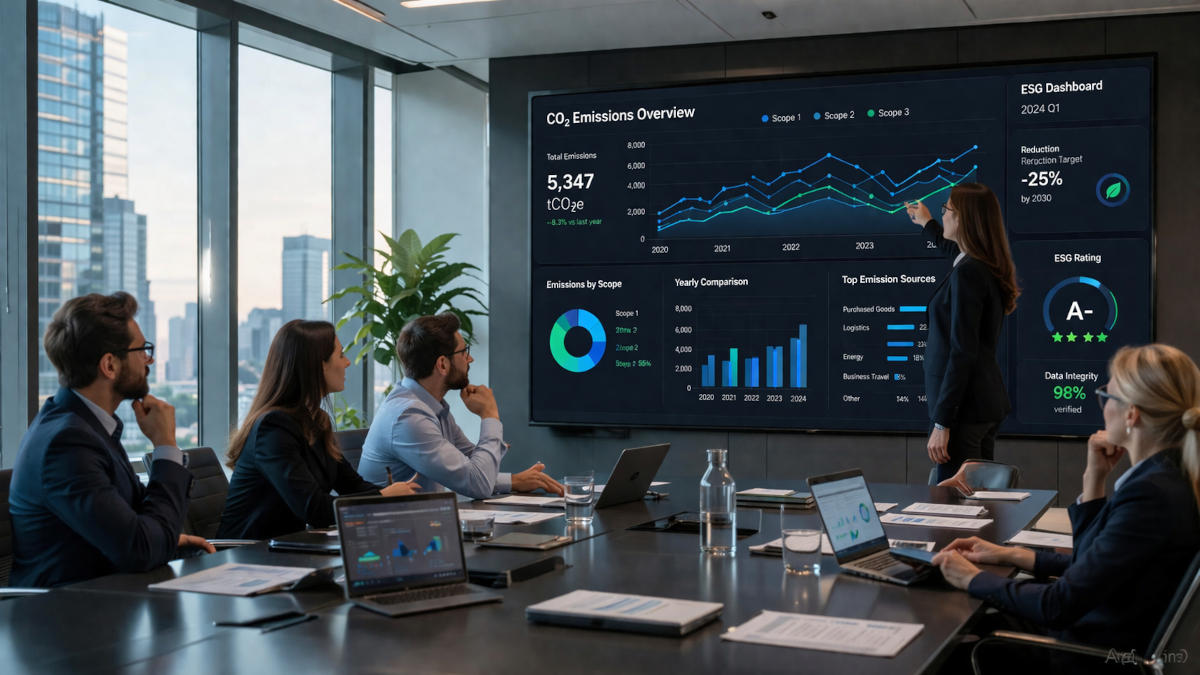
In recent years, sustainability has moved to the center of business decision-making. Following the EU's ambitious climate goals, increasingly strict regulations are coming into effect for companies. The question is no longer whether carbon controlling is necessary, but when it will become mandatory.

The Impact of the EU Green Deal

The European Green Deal aims to make the EU climate-neutral by 2050. As part of this, emission regulations are tightening, transparency expectations are increasing, and sustainability reporting is becoming mandatory. This directly affects companies worldwide, especially those exporting to EU markets.

CSRD – The Turning Point

The introduction of CSRD fundamentally changes corporate reporting. Who does it affect? Companies with 250+ employees, publicly traded companies, and gradually SMEs as well. Reports must include: total carbon footprint (Scope 1–3), reduction targets, climate risk analysis. This effectively makes carbon controlling systems mandatory.

👉 ESG in 2026 - The full reality →

Regulatory Environment

Banks and investors increasingly expect carbon data. Companies that are unprepared may lose business partners, miss out on financing, and face reputational risks. In contrast, prepared companies gain competitive advantage, better loan terms, and strengthen their brand.

👉 Prepare in time – Offset solutions help with compliance →

A digital tool is available for determining precise emission values:

👉 Free Carbon Footprint Calculator →

The Role of Carbon Credits

Regulations do not prohibit offsetting, but require it to occur only after reduction measures. Quality carbon projects are certified, audited, and provide long-term impact.

👉 Browse available projects →

Summary: The introduction of carbon controlling will become inevitable in the near future. The question is not whether it will be mandatory, but who will act when.

Corporate carbon controlling practice

Carbon Controlling in Practice: How to Build a Working Corporate System?

Measuring carbon emissions is still a theoretical question for many companies. In practice, however, a well-functioning carbon controlling system provides concrete business benefits.

System Foundations

An effective carbon controlling system rests on three pillars: data collection, analysis, and decision support. During data collection, the company must map all relevant emission sources.

Data Sources

Typical data sources: energy consumption, fuel usage, logistics data, supplier reports. Scope 3 data usually presents the biggest challenge.

The Role of Digitalization

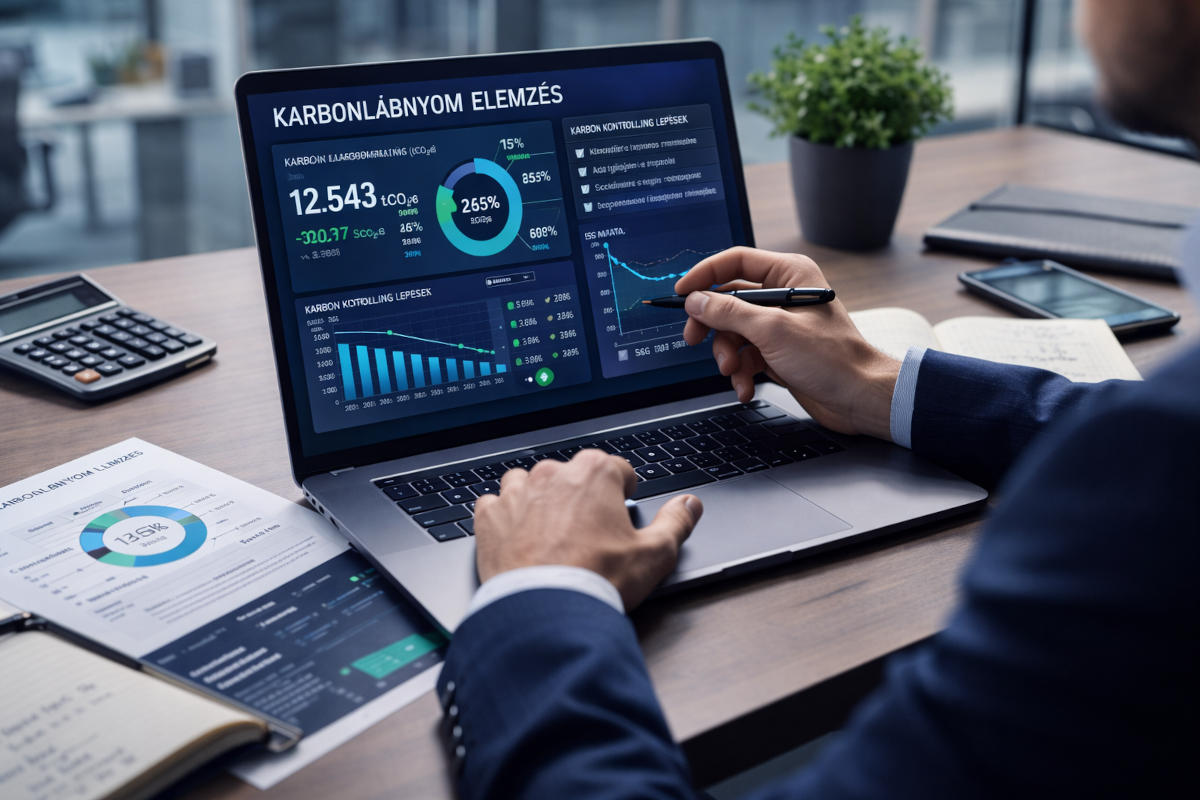
Modern carbon controlling is unimaginable without digital tools. A carbon calculator automates calculations, reduces errors, and enables quick decision-making.

👉 Try it: Carbon Footprint Calculator →

Integration with Business Processes

Carbon controlling should not be a standalone function but integrated into finance, procurement, and logistics. For example, a procurement decision should consider not only price but also carbon intensity.

Reduction Options

Common measures include: improving energy efficiency, using renewable energy, logistics optimization, switching suppliers. These provide both environmental and economic benefits.

Offsetting as a Final Step

Offsetting is often necessary to achieve full carbon neutrality.

👉 Explore options: OurOffset Registry and Query System →

Service Provider Support

Most companies benefit from involving external experts.

👉 Details: Carbon Credits in the ESG Framework →

Summary: Carbon controlling is not just a compliance tool – it's a strategic opportunity. Companies that build an effective system achieve more stable and competitive operations in the long term.